
Feedback
AI Ad Video Example
Loading...
MiniMax H3 to Video
MiniMax H3 to Video turns text prompts into vivid 2K clips with synchronized audio — spoken lines, sound effects, and consistent characters in one generation.
All Tools
Discover our comprehensive AI-powered animation toolkit
MiniMax H3
MiniMax H3 AI Video Generator
Seedance 2.5
The Future of AI Video Is Here.
Seedance 2.0
The Future of AI Video Is Here.

Veo3.1
Create Stunning Videos with Veo3.1
Grok Video Generator
Create Videos from Text or Images with AI
MiniMax H3 video generator
MiniMax H3 AI Video Generator
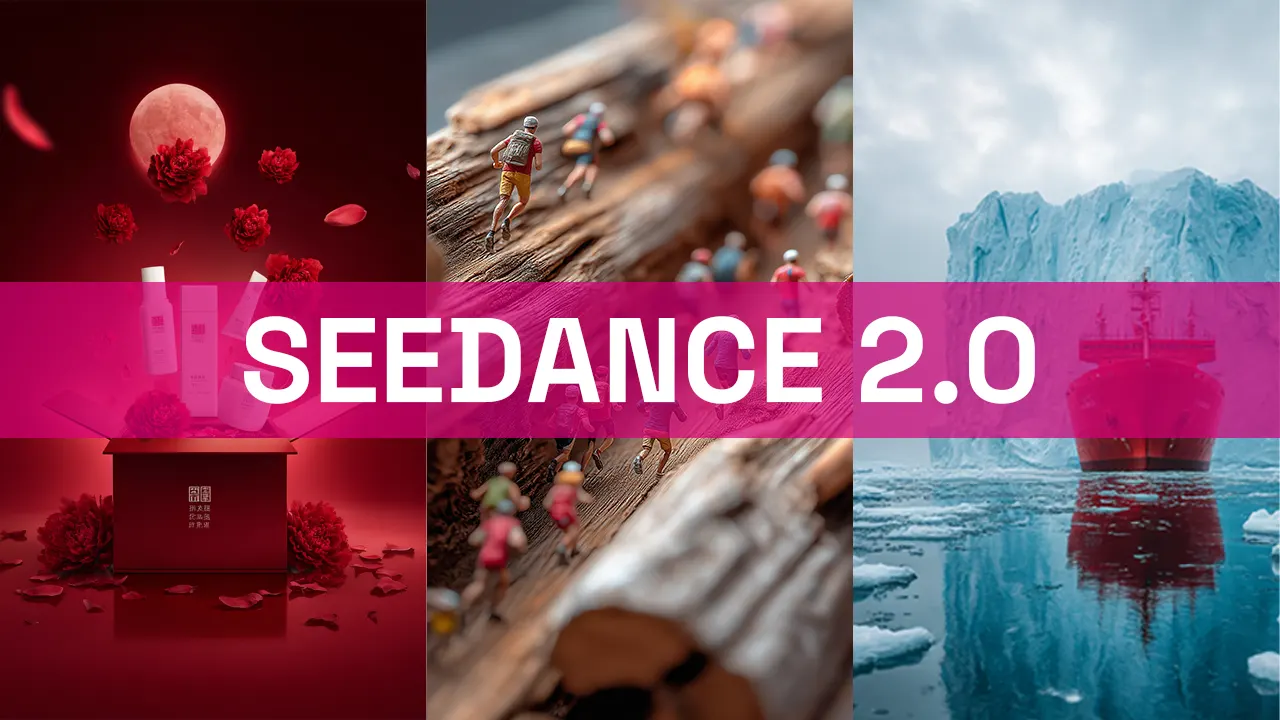
Seedance 2.0
The Future of AI Video Is Here.
Sora2 AI
Advanced AI Video Generator for High-Quality Videos
Reasons Creators Choose MiniMax H3 to Video
Built on MiniMax's H3 model, also known as Hailuo 3.0, MiniMax H3 to Video converts a written scene into 2K footage whose audio is generated alongside the picture. That single-pass design means the effects you name — and when each cue hits — directly shape the result. Characters deliver their lines in frame with no separate dubbing step, uploaded references hold continuity across shots, and multi-shot sequences unfold in the order you scripted.
- Prompt-Based Clips Carrying Their Own AudioSpell out the scene in your prompt and MiniMax H3 to Video returns moving frames with a matching audio layer, both produced during the same render.
- In-Frame Spoken LinesIdeal for vertical drama built on tight close-ups and shot-reverse-shot rhythm — each line is voiced as the take renders in MiniMax H3 to Video, so no dubbing session is ever needed.
- Continuity Anchored to ReferencesAttach as many as 9 images, 3 clips, and 3 audio files per run, assigning each one a role — the face, setting, movement, and voice in MiniMax H3 to Video output trace back to sources you lock in.
Getting Started with MiniMax H3 to Video
Create your clip in three quick steps using MiniMax H3 to Video inside Morphic's boundless visual canvas.
Key Features of MiniMax H3 to Video
Prompt-driven video with integrated audio, in-frame speech, continuity anchored to your references, and beat-timed multi-shot output — MiniMax H3 to Video shapes a written shot into a polished 2K clip, sound included.
Text Prompts, Complete Audio
Detail the scene in writing and receive moving frames that carry their own audio layer — the effects you name, plus when each cue hits, directly shape what MiniMax H3 to Video produces.
Spoken Lines, In Frame
Designed for vertical drama that leans on tight coverage and shot-reverse-shot pacing — MiniMax H3 to Video voices each line while the take renders, pairing performance with delivery in one output.
15 Reference Slots per Run
Combine 9 images, 3 clips, and 3 audio files within a single run, giving each a defined role — MiniMax H3 to Video draws faces, settings, movements, and voices from these fixed anchors.
Beat-Timed Multi-Shot Output
Structure your clip beat by beat and several shots arrive within one generation — opening titles, UI walkthroughs, and product reveals play out in the order you wrote with MiniMax H3 to Video.
Model Switching & Parallel Takes
Finish renders within minutes, then set MiniMax H3 to Video results next to competing models on the Morphic Canvas to compare before committing.
Crisp 2K Resolution
MiniMax H3 to Video outputs crisp 2K footage with audio woven in at generation time — suited to title cards, UI walkthroughs, and product showcases.
MiniMax H3 to Video: Frequently Asked Questions
Clear answers to the questions creators ask most about generating video from text with MiniMax H3 to Video.
What exactly is MiniMax H3 to Video?
It's the H3 model from MiniMax, also known as Hailuo 3.0, offered as a text-to-video solution. MiniMax H3 to Video generates 2K footage where audio is created alongside the visuals, all from one written scene description in a single pass.
Is the audio genuinely generated?
Yes — sound is produced during the same render as the picture. Specify which effects appear and when they trigger, and that shapes the result; characters deliver lines in frame with no dubbing step.
How can I get the strongest first render?
Cover subject, action, camera, lighting, and intended sound in your prompt, then mark timings throughout the clip — MiniMax H3 to Video lands closest to your vision on the first pass when beats are laid out.
Are reference materials supported?
Yes — supply as many as 9 images, 3 clips, and 3 audio files per run, assigning each a specific role so the face, setting, movement, and voice in MiniMax H3 to Video output trace back to fixed sources.
Can it handle multi-shot sequences?
Yes — structure the clip into beats and several shots arrive within one generation, letting opening titles, UI walkthroughs, and product reveals play out in the sequence you scripted with MiniMax H3 to Video.
How does it stack up against other models?
Inside the Morphic canvas you can render quickly, switch engines, and place MiniMax H3 to Video results beside Kling 3.0, Veo 3.1, Seedance 2.5, and Vidu Q3 to compare before locking your final cut.
Start Creating with MiniMax H3 to Video
Transform written scenes into 2K video complete with its own audio — prompt-based generation, in-frame speech, and reference-anchored consistency, all powered by MiniMax H3 to Video on a boundless visual canvas.